Dr. Lance Hawvermale is a licensed Extra class amateur radio operator, callsign W9DAE.
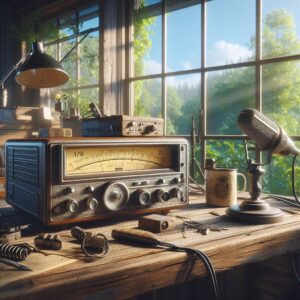
Get on the air and make contact.
Amateur radio, affectionately known as “ham radio,” is more than just a hobby. It’s a lifeline when other communication systems fail. Here’s what you need to know:
- When All Else Fails, Ham Radio Prevails: During emergencies, natural disasters, or overloaded networks, ham radio operators step up. They keep communities connected when traditional communication methods falter.
- A Diverse Community: Picture this: movie stars, missionaries, doctors, students, politicians, truck drivers, and everyday folks—all united by their passion for wireless communication. Ham radio knows no boundaries. It’s a global network of enthusiasts.
- Why Get Licensed?: While requirements vary by country, obtaining an amateur radio license ensures responsible and coordinated use of radio frequencies. Plus, it fosters international goodwill.
The Appeal of Ham Radio
- Emergency Preparedness: Ham radio requires no cellular or internet infrastructure.
- Cutting-Edge Technology: Hams are pioneers. They explore new frontiers, experiment with antennas, and tinker with transceivers. It’s hands-on tech at its best.
- Community Service: Thousands of volunteer hours go into community service. When disaster strikes, hams provide vital communication links.
- Education and Creativity: Designing antennas, building circuits, and decoding mysterious signals. Ham radio offers a technical education like no other.
Learn More
Ready to dive deeper? Explore the fascinating world of amateur radio through these resources:
- Ham Radio Prep: The easiest way to earn your license and get on the airwaves.
- Ham Radio Crash Course: A YouTube series curated for the beginner.